
Smoke, Gas, PIR and Water Leak Sensors: Diyu as a Full-Category IoT Sensor Supplier for Campus and Factory Dormitories
Oct 12, 2026
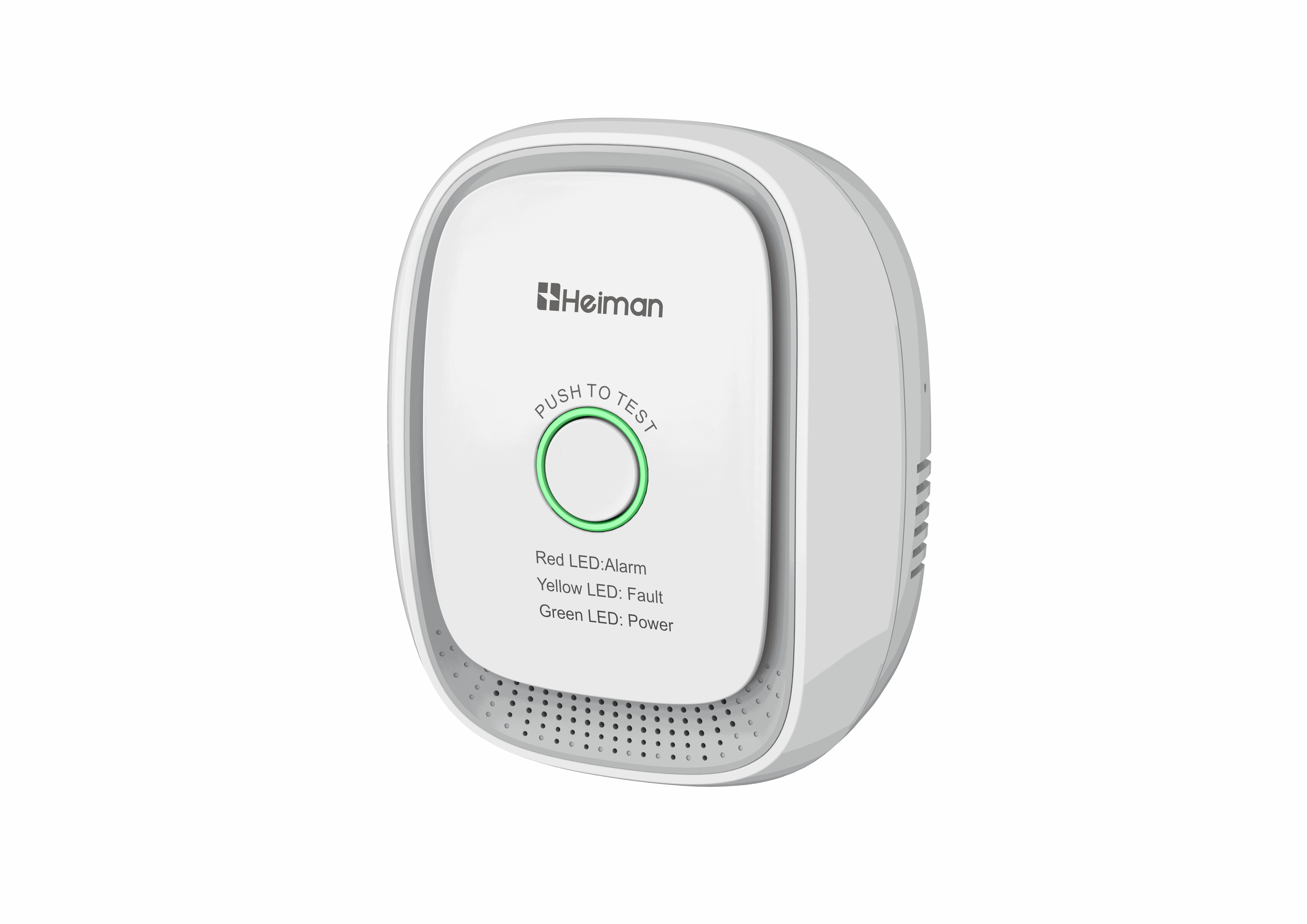
Shenzhen, Guangdong Oct 12, 2026 (Issuewire.com) - Protecting high-density institutional living quarters requires an integrated environmental and life-safety sensing architecture. Deploying a commercial photoelectric smoke detector (https://diyusmart.com/q/h/xmhukm/index.html) alongside gas and water leak monitoring units ensures that facility operators receive immediate warning of physical hazards.
As an experienced sensing hardware partner, Shenzhen Diyu Smart Co., Ltd. (https://diyusmart.com/q/h/com/index.html) operates as a full-category IoT sensor supplier, providing pre-tested ZigBee and LoRaWAN environmental sensors to safeguard educational campuses, factory dormitories, and commercial apartments.
Environmental sensor selection should begin with hazard physics and response protocols rather than wireless radio preferences. A combustible gas leak requires an immediate, loud local siren to evacuate occupants within seconds. Conversely, a gradual pipe leak requires prompt maintenance notification to prevent structural rot. Selecting specialized sensing hardware tailored to specific building spaces ensures that campus operators protect life and property effectively.
Gas Detection Requires Local Alarm and Remote Notification
Combustible gas leaks in communal kitchens, cafeteria pantries, and dormitory boiler rooms present catastrophic explosion risks where sensor response time is critical. A certified combustible gas detector must identify rising concentrations of methane or liquefied petroleum gas well before reaching lower explosive limits.
Diyu Smart supplies the Heiman HS1CG smart combustible gas sensor with a precision catalytic combustion sensor to continuously monitor ambient air quality. When gas concentrations reach dangerous thresholds, the gas leak detector emits an immediate 70-decibel local audible alarm, alerting personnel to evacuate immediately.
Simultaneously, the sensor transmits wireless alert frames through local gateways to notify building security teams and trigger emergency solenoid valves that shut off main gas supplies automatically.
Water-Leak Sensors Need Placement at Credible Failure Points
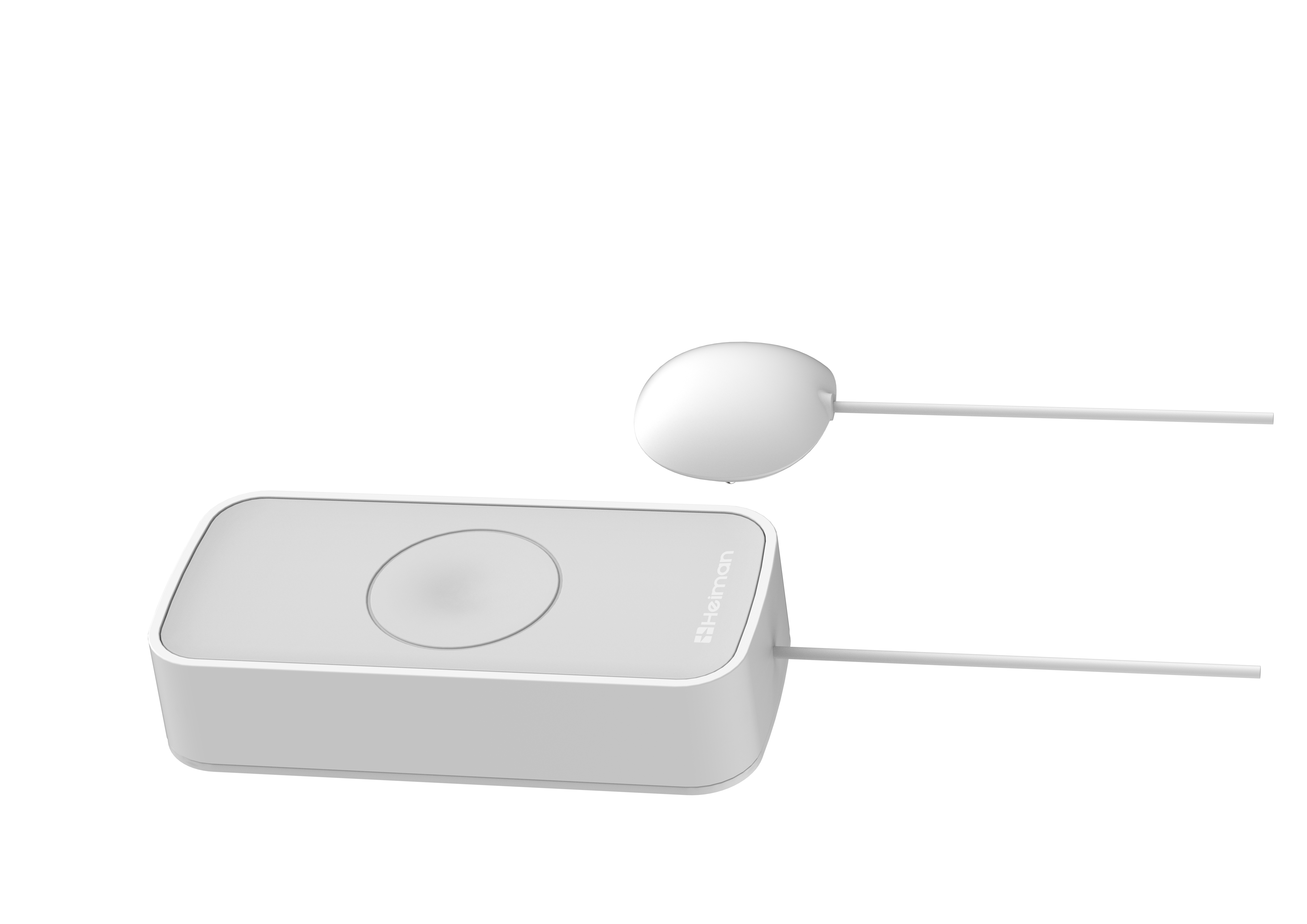
Undetected plumbing failures and pipe leaks cause extensive structural deterioration, mold growth, and expensive equipment damage across multi-story dormitories. Deploying a specialized water leak detector or an area flood detector protects vulnerable physical infrastructure.
Diyu Smart provides the Heiman HS1WL and compact HS2WL sensors equipped with gold-plated sensing probes to detect conductive fluid paths the instant water pools on floor surfaces. Sensors should be placed strategically beneath water heaters, beneath shared kitchen sinks, along plumbing riser chases, and around central air conditioning condensate pans.
Operating on ultra-low-power ZigBee or LoRaWAN communication, these battery-operated units maintain continuous surveillance for years without requiring electrical wiring.
PIR and mmWave Solve Different Occupancy Questions
Facility automation systems rely heavily on occupancy detection to coordinate lighting, ventilation, and security surveillance, but passive infrared and radar technologies serve distinct functions. A traditional pir sensor operates as an occupancy detector by measuring differential thermal radiation emitted by moving bodies. It provides dependable coverage for dynamic motion along corridors, operating as a low-power occupancy sensor that lasts years on internal batteries.
However, PIR sensors cannot detect stationary occupants, causing lights to turn off prematurely if a student sits quietly reading in a study hall. To eliminate this limitation, Diyu Smart provides the Heiman HS8OS millimeter-wave human presence sensor. This advanced mmwave presence sensor uses FMCW radar to detect subtle micro-movements like breathing and typing, maintaining continuous automation without false timeouts.
Smoke and CO Detection Belong to Life-Safety Architecture
Fire safety and carbon monoxide monitoring represent the foundational life-safety layer of any residential campus infrastructure. Deploying a smart smoke detector network across student dormitories ensures rapid optical detection of slow-burning, smoky fires common in living quarters before flames fully develop.
For residential suites with gas water heaters or attached parking garages, installing a specialized co sensor provides early warning of toxic, odorless carbon monoxide buildup. In high-risk mechanical zones, engineering teams specify a dual sensor smoke detector combining optical smoke sensing with rate-of-rise thermal detection.
Where local fire regulations mandate centralized floor mapping, engineering teams configure an addressable smoke detector array. An integrated zigbee smoke detector network allows central software to identify the exact room location of an alarm event instantly.
ZigBee and LoRaWAN Fit Different Sensor-Network Shapes
Choosing the right wireless protocol depends on building layout, device density, and sensor power requirements. ZigBee provides an ideal mesh network for dense, room-level sensor clusters inside residential dormitories. Line-powered devices like smart switches act as mesh routers, extending coverage across interior walls and delivering sub-second lighting response times.
Conversely, LoRaWAN excels across sprawling, multi-building industrial campuses. A single 8-channel gateway like Diyu Smart's 255MG-801 receives sensor transmissions from perimeter buildings kilometers away. Sub-gigahertz signals penetrate concrete floors, utility risers, and exterior envelopes without requiring dozens of intermediate mesh routers across open grounds.
Sensor Data Needs an Alert and Integration Model
Sensor hardware achieves its full life-safety potential only when linked to a disciplined incident response and software escalation workflow. Diyu Smart's gateway architecture routes sensor telemetry directly into campus property management and building automation software, broadcasting structured MQTT payloads and executing RESTful API webhooks the moment an environmental sensor triggers an alarm.
Enterprise platforms process these alarm payloads according to predefined escalation rules. For local containment, audible buzzers sound immediately while local control relays shut off automated gas valves or trip electrical breakers. Simultaneously, central monitoring dashboards highlight the exact room on emergency maps and system webhooks dispatch push notifications and SMS alerts to on-duty supervisors.
Build the Sensor Plan by Hazard, Placement, Power, and Response
A structured engineering methodology ensures complete sensor coverage across high-density facilities. Engineering teams should first identify space-specific hazards, placing combustible gas detectors in kitchens, water leak sensors in plumbing chases, and mmWave presence sensors in study rooms.
Planners must then delineate life safety from facility automation, ensuring fire and gas detectors meet certified safety standards with independent local sirens. Selecting communication protocols by density and scale pairs ZigBee mesh networks with dense room clusters and LoRaWAN with expansive multi-building campuses.
Establishing automated escalation pathways links gateway webhooks directly into building software to trigger immediate physical shutoffs and personnel notifications.
System integrators and institutional property directors planning campus safety installations can contact Diyu Smart to evaluate sensor specifications and hardware schedules, or explore the full sensing portfolio on the Diyu Smart official website (https://www.diyusmart.com/).
Source :Shenzhen Diyu Smart Co., Ltd.
This article was originally published by IssueWire. Read the original article here.
More News







Recommended





YOUR NEWS, OUR NETWORK.
Do you have Great News you want to tell the world?
Be it updates about your business or your community, you can make sure that it’s heard by submitting your story to our network reaching hundreds of news sites across 6 verticals.