
How to Audit a Commercial Gym Equipment Factory Before Placing an Order
Sep 16, 2026
Nantong, Jiangsu Sep 15, 2026 (Issuewire.com) - An Audit Verifies the Loop Between What a Supplier Says and What It Actually Does
A buyer walks into a bright showroom, snaps a few photos of polished machines, shakes hands, and leaves feeling confident. Three months later, the shipment arrives with mismatched frame tubing and a logo plate glued on crooked. This gap between the showroom and the shop floor is exactly why an audit matters. Auditing a commercial gym equipment factory is not about admiring sample units under studio lighting; it is about confirming that a supplier's claims survive contact with reality. From a pre-order risk-control angle, a useful audit breaks into four connected links: verifying the business entity, checking that the production line is real, inspecting quality-control records, and reviewing fulfillment history. Miss one link, and the chain that protects an order quietly breaks.
Manufacturers such as Nantong Senfeng Sports Products Co., Ltd, based in Nantong, Jiangsu, sit within a growing supply base that produces both commercial and home fitness gear with OEM and ODM options. Understanding how to read a factory like this one helps buyers separate genuine capability from a well-dressed sales pitch.
Start With the Business Entity and Physical Site
The first link is the least glamorous and the most skipped. Before discussing product at all, match the business license address against the address shown on the supplier's website and export documents. A registered name, a consistent street address, and a matching set of shipping records tell a quieter but more honest story than any brochure.
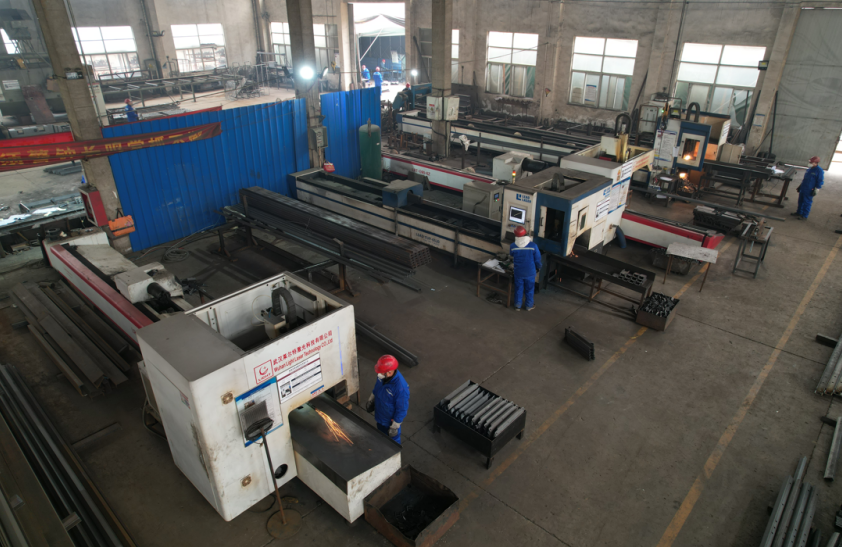
When a supplier states that products reach dozens of countries, that claim can be checked. Ask for redacted customs declarations or export shipping records; a real exporter keeps these on hand and shares them without hesitation. Senfeng, for example, presents factory imagery and workshop scale on its site, which gives a reference point. During a visit or a video walkthrough, compare what appears on screen against those published descriptions. The floor space, the number of workstations, and the storage areas should line up with the stated capacity. When the numbers and the visuals agree, the entity is self-consistent, and that consistency is the foundation for everything that follows.
Sample Three Spots on the Production Line
The second link is the line itself. A full plant tour can overwhelm anyone, so focus attention on three spots that reveal the truth quickly.
- The raw material and tube storage area. Check the steel stacked before it is cut. The wall thickness and grade should match what the product pages list for the main frames. If a listing describes heavy-gauge commercial tubing but the storage racks hold thin, light stock, that mismatch is worth a direct question.
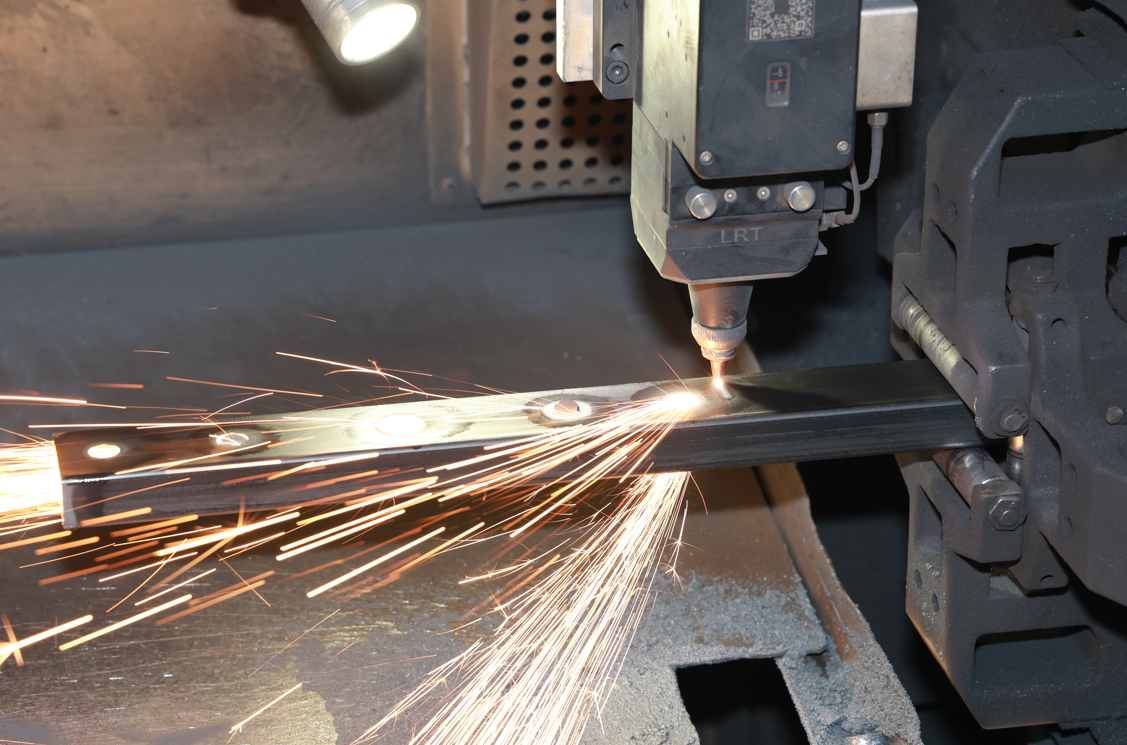
- The welding stations. Look at whether welds are laid down by automated equipment or by hand, and how consistent the beads appear. Commercial-grade frames depend on strong, repeatable joints, so this station shows whether the "commercial-level frame and welding" description holds up in practice.
- The coating line. A durable finish usually comes from a phosphating pretreatment followed by electrostatic powder coating. Watching this process run confirms that the surface quality on the samples was not a one-off.
Sampling these three areas lets a buyer reverse-check marketing language against physical evidence. A gym equipment factory that runs these stages in-house, rather than subcontracting quietly, tends to hold tighter control over both timelines and defects.
Documented Quality Control Beats a Framed Certificate
The third link is where many audits go shallow. A certificate on the wall proves that a standard was met on one day; a paper trail proves the standard is met every day.
Ask to see the incoming inspection, in-process inspection, and outgoing inspection records. What matters is completeness: filled-in dates, measured values, inspector initials, and honest notes about rejected batches. A logbook with blank stretches suggests the checks happen only when a visitor is expected. Also look at how retained sample units and sealed reference pieces are stored, since these are what a factory measures future production against.
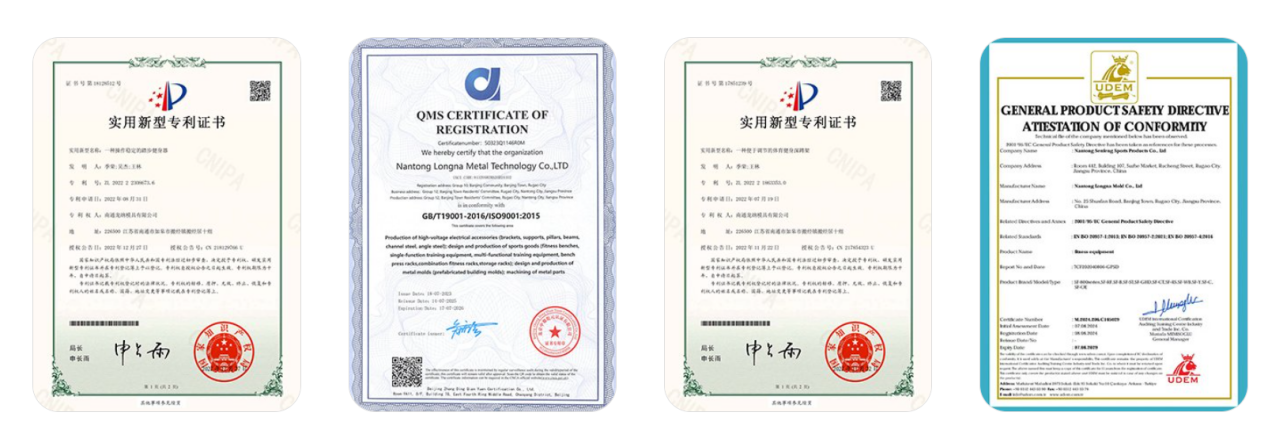
Certificates still count. When a supplier holds CE or ISO documentation, note the certificate numbers and verify them against the issuing body's official database rather than trusting a printed copy. Senfeng makes its certification and quality-inspection practice part of its stated process, and confirming those numbers independently is a reasonable, non-confrontational step any serious buyer takes. A commercial gym equipment factory that welcomes this verification signals confidence in its own records.
Close the Loop With a Small Trial Order
The fourth link turns observation into evidence. Reports and site visits reduce risk, but a small trial order tests the entire system end to end.
Place a modest order, for instance two Lat Pull Down machines and two adjustable benches, and use it to check the details that photos never capture. Confirm that the custom packaging protects the units in transit, that the logo nameplate is applied cleanly and in the right place, and that pre-shipment inspection photos are sent before the goods leave. When the shipment lands, measure the assembly fit and note any alignment gaps. A supplier that offers low MOQs and fast delivery, as Nantong Senfeng Sports Products Co., Ltd does, makes this kind of trial run practical rather than costly.
To start, send a formal inquiry through the official channel and request sampling pricing and drawings. This also tests responsiveness. A team that replies within a couple of hours and handles sample requests smoothly demonstrates the after-sales behavior a buyer will rely on later. The trial order is the moment the four links join into a single, testable loop.
Reading the Wider Market Through These Four Links
Demand for durable strength and cardio equipment keeps rising as boutique studios, hotel gyms, and rehabilitation centers expand their floors. Buyers in this segment increasingly ask for custom colors, sizes, and branding rather than off-the-shelf catalogs, which pushes more work toward factories with genuine OEM and ODM depth. A supplier with eight-plus years of production experience and in-house manufacturing is better positioned to absorb these detailed requests without cutting corners.
The four-link method scales to any commercial gym equipment supplier, not just one. It keeps the focus on evidence over impression and gives a buyer a repeatable way to compare factories on the same terms. For those evaluating Senfeng specifically, the practical next step is a documented inquiry and a small sample run, which turns a promising profile into a verified partner.
More product and factory details are available at https://senfengfitness.com/
Media Contact
Nantong Senfeng Sports Products Co., Ltd
+86 19514497849
Source :Nantong Senfeng Sports Products Co., Ltd
This article was originally published by IssueWire. Read the original article here.
More News






























Recommended


World Economic Forum: Behind the Scenes at Davos


Oracle May Hold TikTok’s Future in Its Hands


The Cost of Surviving a Wildfire


On TikTok, Users Mock Looming U.S. Ban


YOUR NEWS, OUR NETWORK.
Do you have Great News you want to tell the world?
Be it updates about your business or your community, you can make sure that it’s heard by submitting your story to our network reaching hundreds of news sites across 6 verticals.