
European Central Bank hikes rates again and vows more after US Fed hits pause
Jun 15, 2023
The European Central Bank has pressed ahead with another interest rate hike and is pledging more are on the way
FRANKFURT, Germany (AP) — The European Central Bank pressed ahead with another interest rate hike Thursday and pledged more are on the way, aiming to crush inflation that is
driving up the cost of groceries
even after the U.S. Federal Reserve took a break from its own string of increases.The quarter-point rate boost, to 3.5%, is the eighth straight increase since July 2022 for the 20 countries that use the euro currency. That is an unprecedentedly swift campaign to tighten the flow of credit to the economy as the bank seeks to return inflation to its
target of 2% from 6.1%
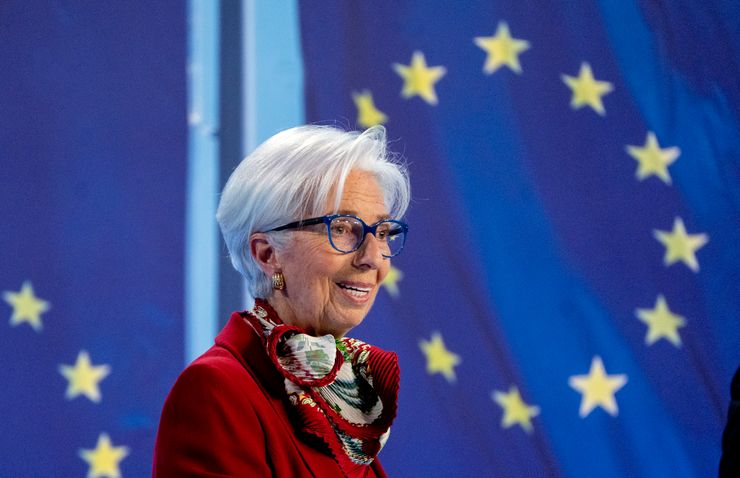
.ECB President Christine Lagarde said more hikes, including at the bank's next meeting on July 27, are in the cards. ECB projections acknowledge that controlling inflation will take months longer, even after the rate has fallen from a double-digit peak late last year.
“Are we done? Have we finished the journey? No, we’re not at destination," she said at a news conference. "Do we still have ground to cover? Yes, we have ground to cover.”
Lagarde said the bank “will continue to hike at our next meeting. So we are not thinking about pausing, as you can tell.”
Central banks around the world are trying to wrestle down price spikes that have been squeezing households and businesses with
higher bills for basics like food
and rent but some are starting to diverge in their decisions to avoid plunging their economies into further trouble.The
U.S. Federal Reserve suspended its series of rate hikes
Wednesday as it assesses the impact of higher rates on economic growth and jobs. It takes months for rate hikes to work their way through to the economy, and a pause can be a chance to see if the medicine is working.Nonetheless, Fed projections indicate
two more rate hikes
are possible this year.Central banks in Australia
and Canada resumed rate increases last week after a pause — one sign of how widespread high inflation has become ingrained in the global economy.In Europe, higher rates “are gradually having an impact across the economy,” Lagarde said, noting that the outlook for inflation and growth is “highly uncertain” because of risks like Russia’s war in Ukraine and pay agreements that could worsen inflation.
“Economic growth is likely to remain weak in the short run, but strengthened in the course of the year as inflation comes down and supply disruptions continue to ease,” she said.
Higher rates fight inflation by
raising the cost of borrowing
for auto loans, mortgages and credit cards, reducing demand for goods that drives prices higher. But they also can weaken the economy and raise therisk of throwing the economy into recession
.That is a concern in Europe, where
the economy contracted slightly
in the last months of 2022 and the first three months of this year. Two straight quarters of falling output is one definition of recession.But the job market is very strong, with unemployment at its lowest since the euro currency was introduced in 1999 — at 6.5% — and hardly consistent with a real recession.
The Euro Area Business Cycle Dating Committee, which uses employment as well as economic growth data in determining when a recession has occurred, found no recession at its last assessment March 27 and will revisit the question in November.
Carsten Brzeski, global head of macro for ING bank, said the ECB is “increasingly taking the risk of worsening the economic outlook.”
“Still, despite good arguments against further rate hikes, the ECB simply cannot afford to be wrong on inflation,” he said in a research note. “The Bank wants and has to be sure that it has slayed the inflation dragon before considering a policy change.”
Consumer prices started rising as the global economy bounced back from the COVID-19 pandemic and created supply chain bottlenecks. Oil and
natural gas prices also spiked
due to Russia’s threats against Ukraine and after its February 2022 invasion. That also sent food andfertilizer prices soaring
amid disruption to supplies from the warring countries, both major agricultural exporters.Those
pressures are starting to ease
, but the initial burst of inflation is being reflected in higher wage demands and prices for services, even as energy prices have fallen in Europe in recent months."Labor and wages, in particular, is playing a significant role as a driver of inflation," Lagarde said.


